Renovation vs. Repair: When to Refresh, Fix or Replace in Older Homes
On a wet Tuesday in a Victorian terrace, water starts coming through the bedroom ceiling. The instinct is either to ring someone for a patch or to start pricing up a full re-roof. One of those is probably the right call, and the other will cost you money you did not need to spend. Older houses — the stone cottages, Georgian townhouses and Edwardian semis that make up so much of Somerset — have survived because people repaired them sensibly for a century or more. Deciding between refresh, repair and replace comes down to three things: what has actually failed, what is safe, and what will still look like a good decision in ten years.
Most expensive mistakes begin with a decision made too early. Before you look at kitchens or paint colours, work out what the building is telling you. A creaking floorboard is a different problem from a board that flexes when you stand on it. A draughty sash window is not the same as one with a rotten sill and a cracked lintel above it. One is uncomfortable; the other is structural.
Ask three questions about every problem you find:
That third question is the one people skip, and it is the one that separates a £200 repair from a £6,000 one.
Some things are not decorating decisions. If you notice a bulging wall, a roofline that sags in the middle, a crack that widens through the brickwork, a lintel with a step in it, or a ceiling that bellies downwards, stop and get a proper assessment from a structural engineer before you do anything else. Painting over movement hides the symptom and lets the cause carry on working.
Old houses also carry risks that are easy to forget. Wires installed decades ago may not cope with modern loads or may lack proper earthing. Lead pipework and old lead paint still turn up in period properties. Certain materials used in older buildings can contain asbestos, and if you suspect it, the right move is a specialist survey, not a hammer. Likewise, if you smell gas or suspect a fault, call the relevant emergency number rather than a general handyman.
Anything involving structure, gas, major electrical work or asbestos should be handled by someone qualified in that specific trade. That is not over-caution; it is the cheapest insurance you will ever take out.
Period features are usually worth saving, and not only for sentimental reasons. Original sash windows, panelled doors, cornices, encaustic floor tiles and old pine floorboards were made from slow-grown timber and materials that are difficult to match today. Replacing them often costs more than repairing them, and the replacement is usually a poorer fit for the building.
Take sash windows. Cords, weights, putty and draught seals can all be renewed, and a well-repaired sash will outlast most of what gets fitted in its place. It also keeps the proportions of the house intact, which matters both for how the building feels and for how it sells.
Wall construction is the other big one. Many older properties in this part of the country were built with lime mortar and designed to let moisture move through the fabric and evaporate. Repointing with hard cement traps water instead, and that water then finds the nearest way out — usually through the inside face of the wall. Lime repointing, done properly, is a repair that protects everything else.
One practical note: if the building is listed or sits in a conservation area, replacement windows, render changes and external alterations may need consent. A short conversation with the local authority conservation officer before you order anything will save a lot of trouble later.
Replacement or a fuller renovation makes sense in a few clear situations:
That last point matters more than most people expect. Lifting floors and chasing walls is disruptive and expensive. If the boards are already up for a wiring job, that is the moment to insulate, run a new pipe, or deal with a joist end. Come back in three years for the same task and you will pay for the disruption twice.
Solid-walled and cob properties need breathable finishes. Modern impermeable renders and gypsum plasters hold moisture against the wall, and the resulting damp gets blamed on "rising damp" when it is really trapped water. Lime-based render, plaster and paint let the wall dry outwards.
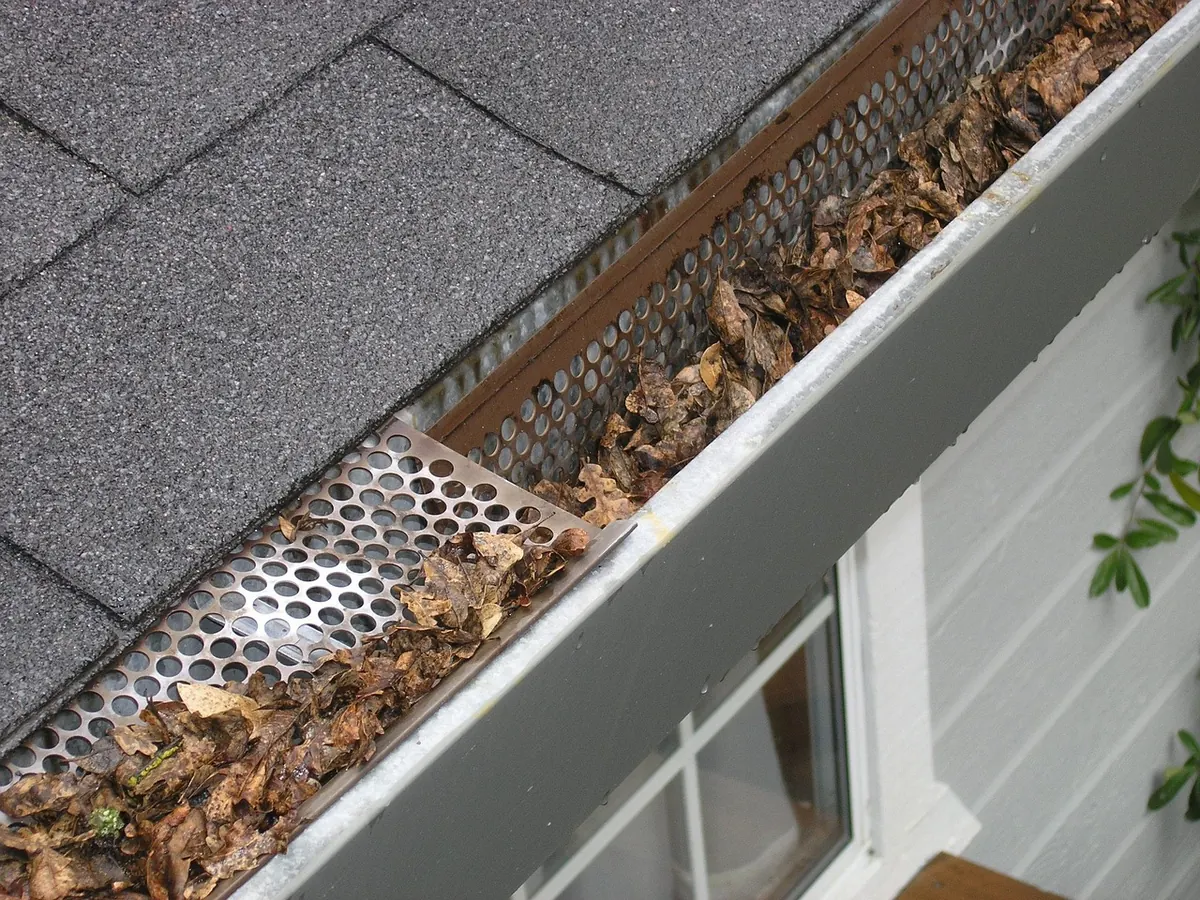
Almost every damp problem starts above or outside: a slipped slate, a blocked gutter, a cracked downpipe, high ground levels bridging the damp course, or a leaking shower tray. Sort the source first. Otherwise you are decorating a sponge.
Insulation is one of the few upgrades that pays you back, but solid walls and old roofs need breathable solutions and proper ventilation. Done wrong, insulation creates condensation and rot where there was none before.
If a project involves borrowing or regulated work, take proper financial or legal advice before you commit. A second opinion early is far cheaper than a correction later.
Repair what is sound, replace what has genuinely failed, and spend on the parts of the house you cannot easily get to again. Refresh is the last step, not the first — paint is cheap, but paint over a problem is just a delay with interest attached. When you are weighing up a job on an older property, the most useful question is simple: will this still be the right answer in a decade? If it will, it is usually worth doing properly once.
Photo: Monica Silvestre / Pexels